
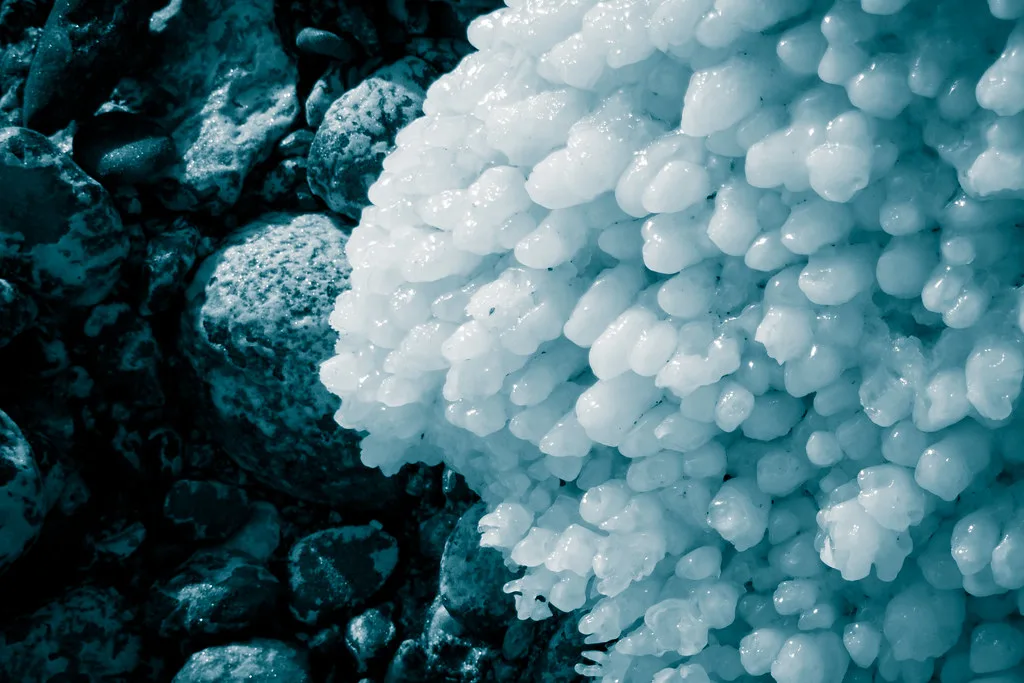
Mineralized Sea Salt: Understanding the Natural Mineral Profile of 82 Minerals Sea Salt
Salt isn’t just salt—especially when it comes to naturally mineralized sea salt. Traditional sea salts harvested using time-honored methods retain far more of their original structure than highly refined table salt, resulting in distinctive texture, flavor, and mineral complexity.
82 Minerals Sea Salt is harvested from coastal salt marshes and naturally dried using sun and air, without chemical refinement or additives. This traditional evaporation process allows the salt to retain its natural composition, including essential electrolytes and trace elements that occur naturally in ocean-derived salt.
How Mineralized Sea Salt Is Formed
Naturally mineralized sea salt is created when seawater slowly evaporates, leaving behind salt crystals along with minerals that were present in the water at the time of harvest. Environmental factors such as location, clay-lined salt pans, seasonal conditions, and harvest timing all influence the final mineral profile.
Because of this natural variability, mineralized sea salts do not have a fixed or identical mineral makeup from batch to batch. Instead, their composition reflects the environment from which they were harvested.
Lab-Verified Minerals Naturally Present
Based on third-party testing, 82 Minerals Sea Salt contains naturally occurring sodium and chloride as its primary components, along with measured amounts of magnesium and calcium. Trace-level elements such as copper and chromium have also been identified at naturally occurring levels.
These minerals contribute to the salt’s functional role as an electrolyte source and its suitability for everyday culinary use when consumed in moderation.
Naturally Occurring Trace & Ultra-Trace Minerals
Like other traditional sea salts, 82 Minerals Sea Salt may also contain trace and ultra-trace amounts of additional minerals commonly found in ocean-derived salts. These minerals occur naturally and can vary by harvest, location, and batch.
May contain trace amounts of naturally occurring minerals such as:
-
Potassium
-
Sulfur compounds / sulfates
-
Iron
-
Zinc
-
Manganese
-
Selenium
-
Boron
-
Iodine (typically very low in non-iodized sea salt)
May also contain ultra-trace elements in very small amounts, including strontium, bromine, fluoride, vanadium, nickel, cobalt, molybdenum, lithium, and other elements naturally present in seawater.
These trace elements are not added and are not guaranteed to be present in every batch unless specifically tested.
Mineralized Salt, Electrolytes, and Hydration
Electrolytes such as sodium, magnesium, potassium, and calcium play an important role in maintaining fluid balance and normal cellular communication. Because electrolytes are lost through daily activity and perspiration, many people incorporate mineralized sea salt into hydration routines, mineral water recipes, and electrolyte-focused diets.
Mineralized sea salt is also valued for its clean flavor and versatility, making it suitable for both culinary use and hydration applications when used responsibly.
Culinary Use & Texture
One of the defining characteristics of traditional sea salt is its natural moisture and crystal structure. This texture allows mineralized sea salt to dissolve smoothly, season evenly, and enhance food without overpowering it. It is commonly used for everyday cooking, seasoning, and finishing dishes.

